

Measuring is something that children are inherently interested in – who is taller, whose pencil case is bigger, whose bag weighs the most etc etc. So it’s generally a really interactive and easy concept to teach.
But where do you start and how do you start?
Here are some suggestions for the different areas of measure:
Length
Start with basics – compare lengths of items (shorter or longer, smaller or taller)
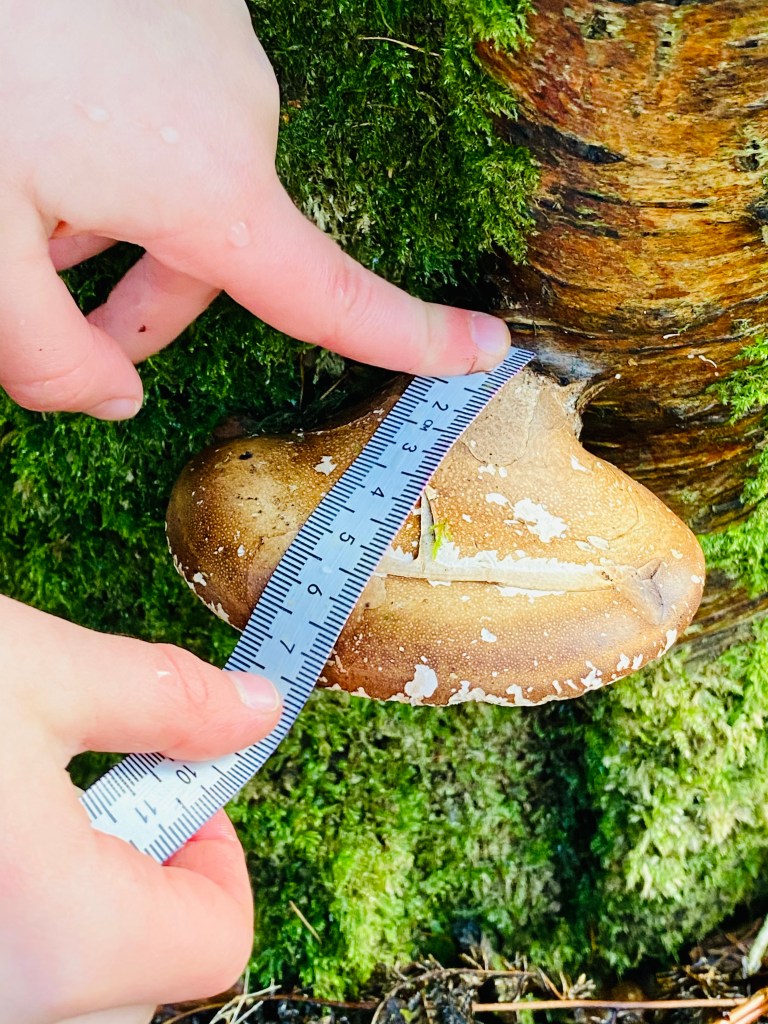
Compare lengths compared to a non-standardised unit of measure (for example the child’s hand or a toy). You could ask questions like ‘Is the table bigger or smaller than your hand?’. After a few examples you could start also measuring things against your hand…..before finally comparing the size of something which is smaller than your hand yet bigger than theirs. This discovery could lead you onto discussing Standard Units Of Measure and why they are important (eg centimetres, metres, kilometres, feet, inches, miles etc).
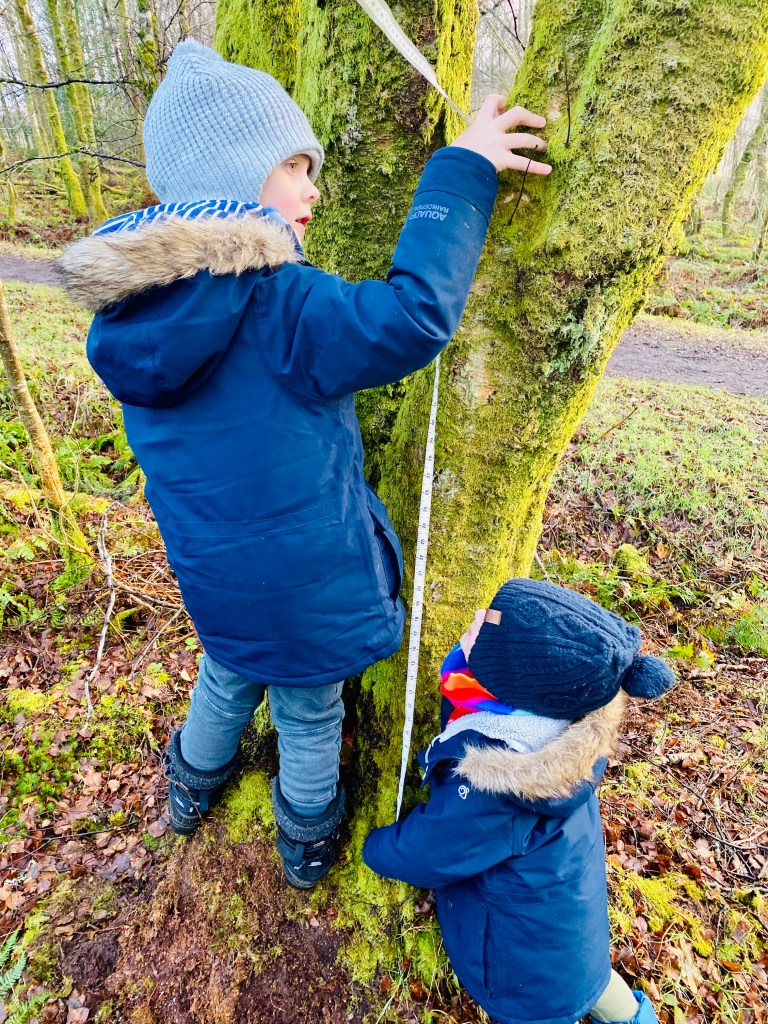
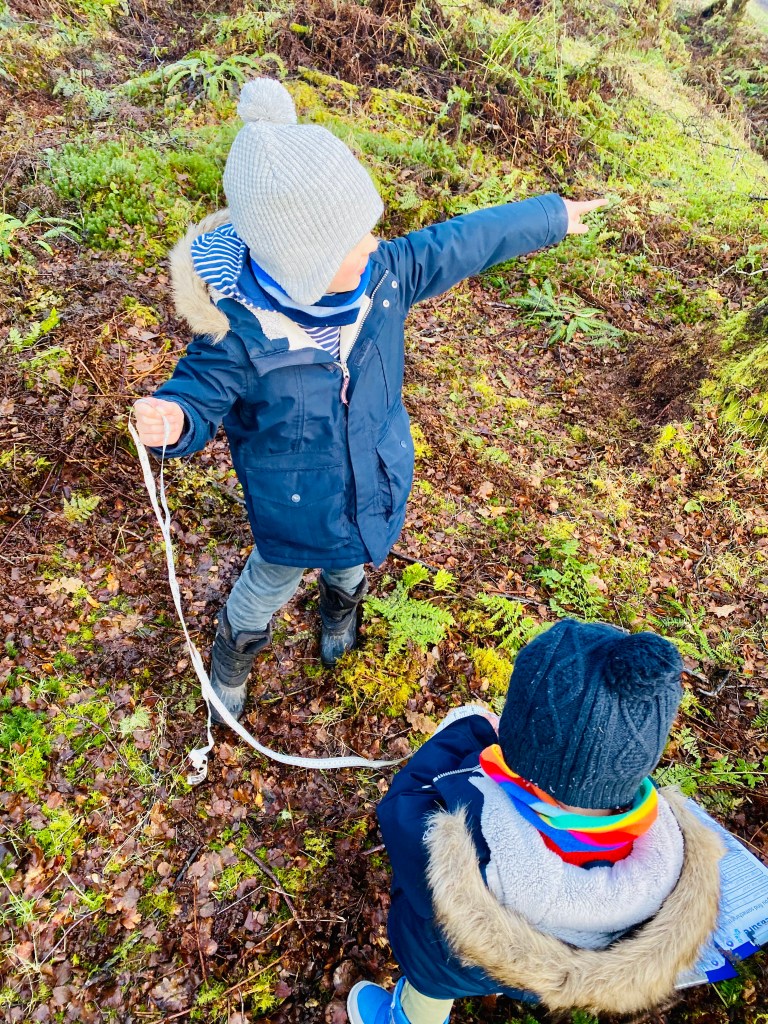
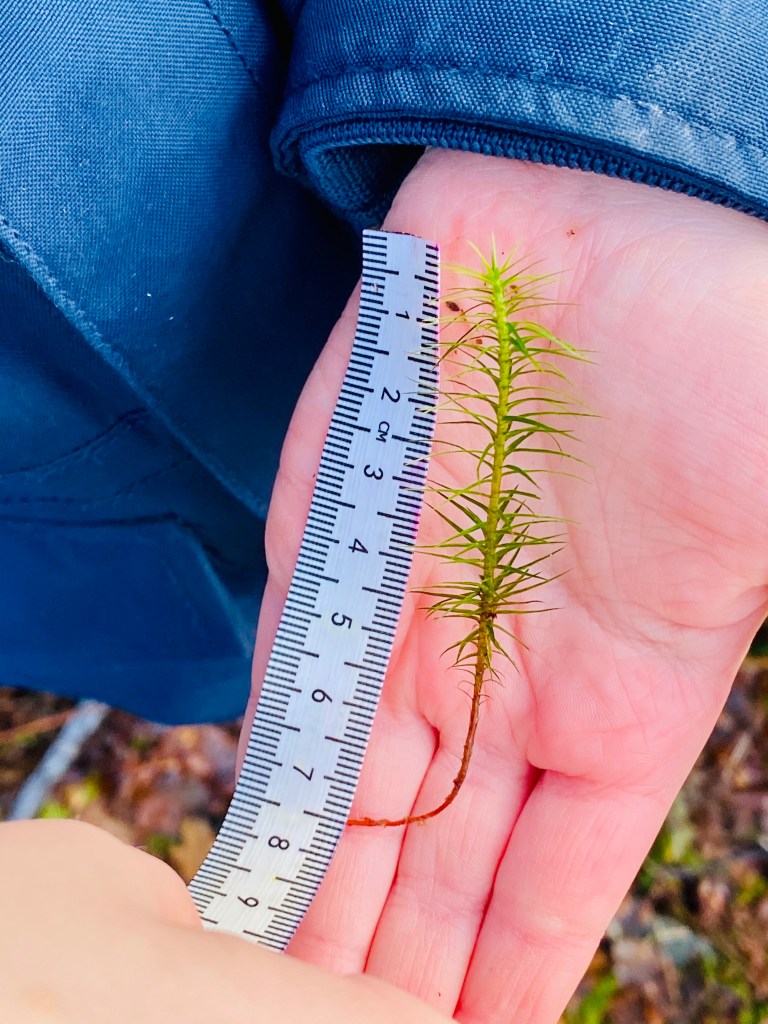
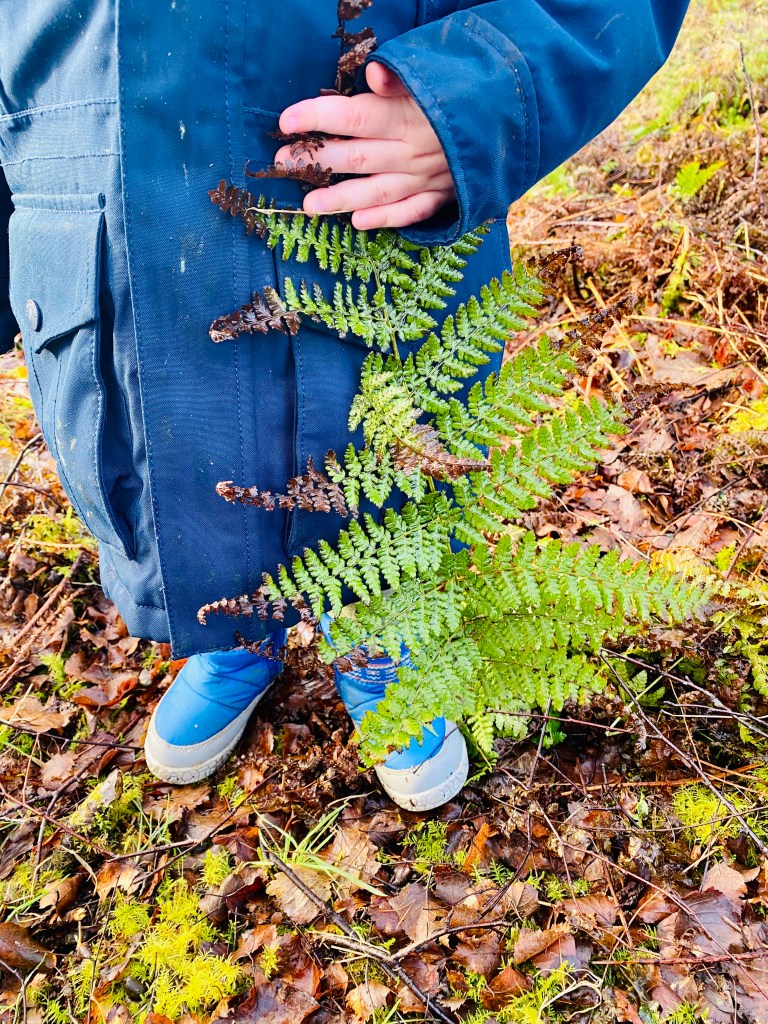
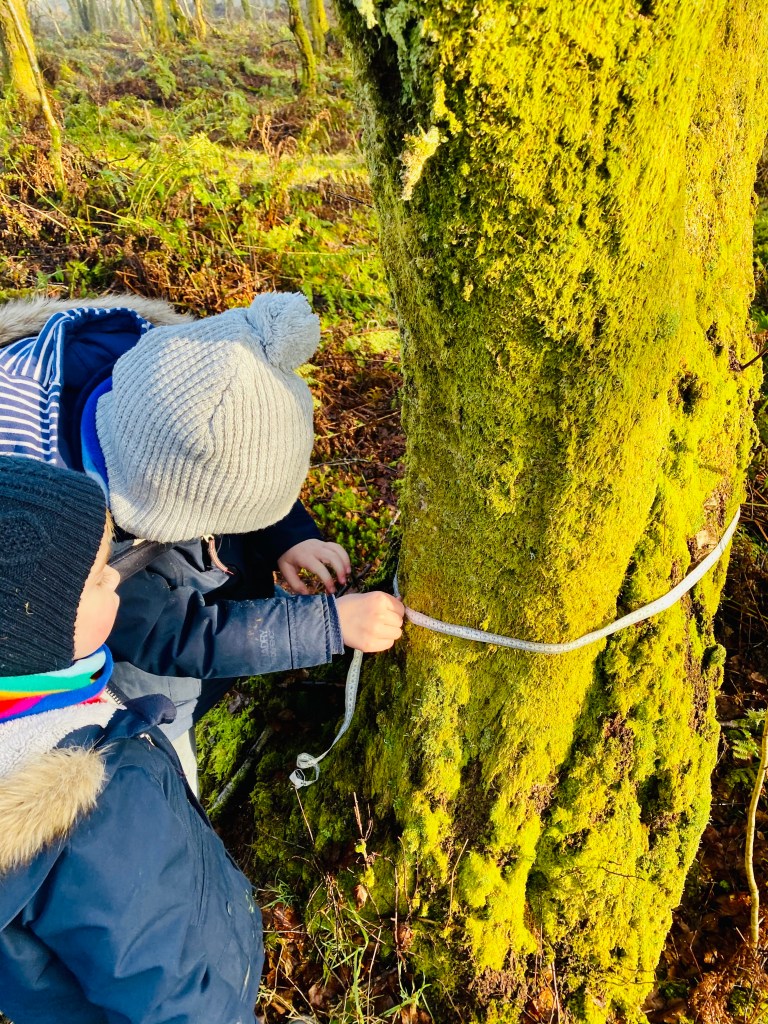
Play around with different measuring instruments – rulers, measuring tape, metre stick (this could simply be a piece of wood that has been measured to 1m) – the point being some things can’t be measured with rulers or metre sticks (for example circumferences). But allow your child to work all of this out – learning is much deeper when it is discovered.
Below are two free measure templates that you can use to explore length – simply choose the option best suited to your kid’s needs. Of course you could always allow more able to children to complete the simpler sheet on their own before then giving support on the second sheet once they are more confident with measure.
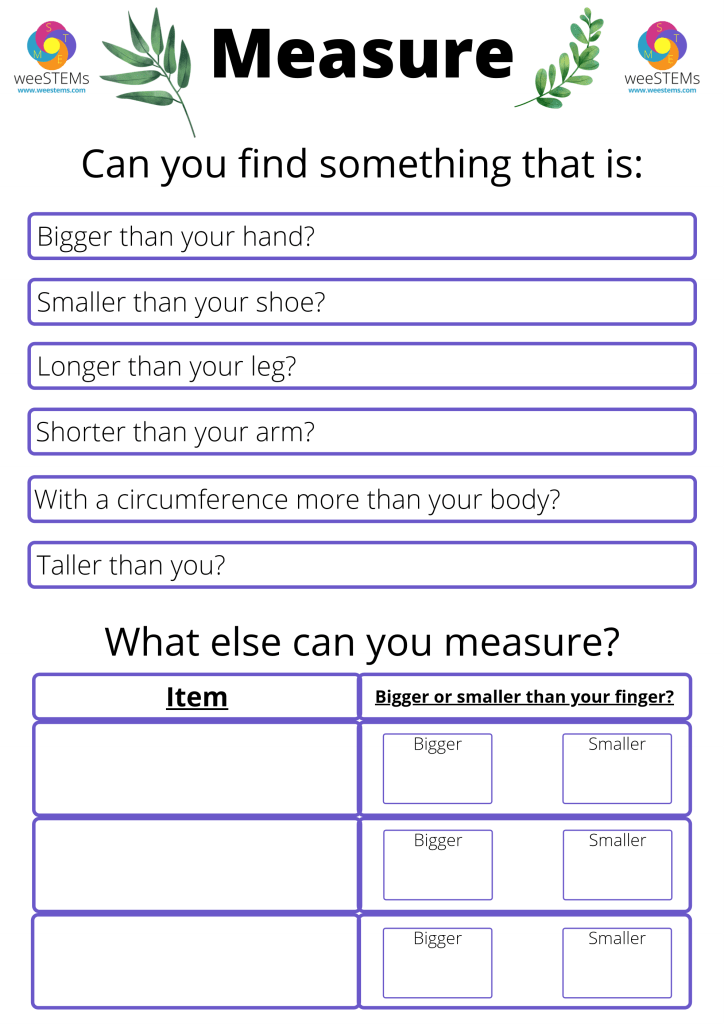

For a high-definition copy of these sheets simply click the Download button below.



Weight
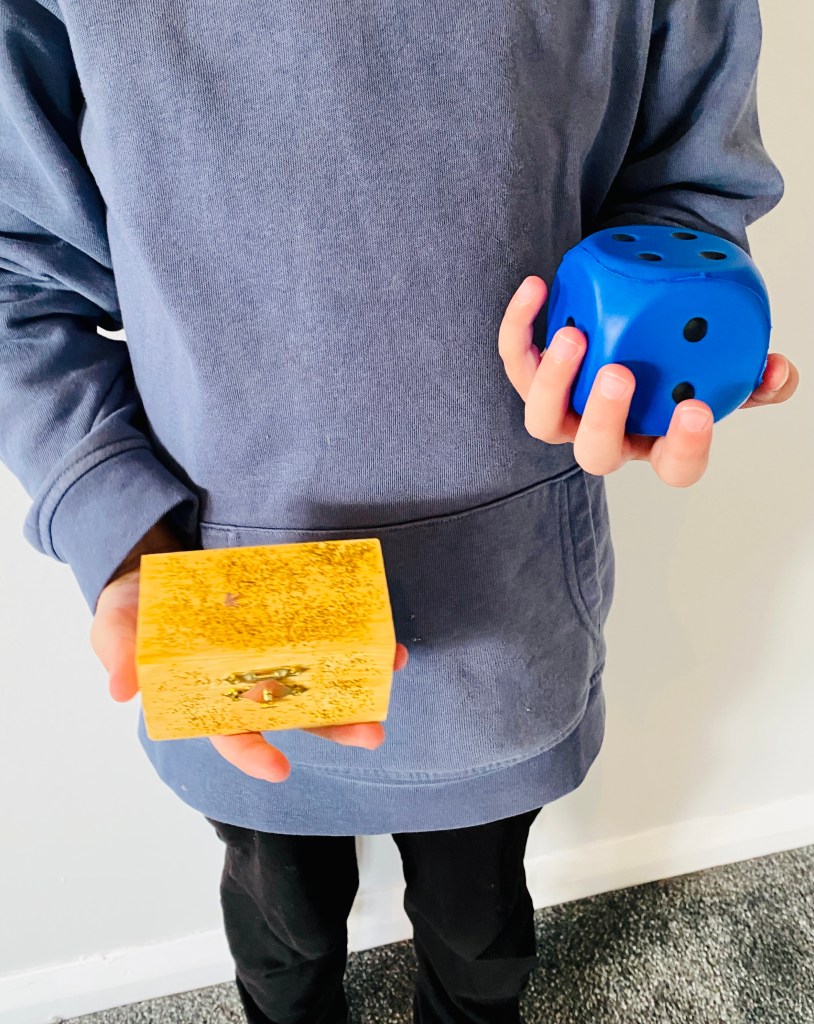
Similarly with above, start by talking about things being heavier or lighter (using just your hands to guess the weight).
It is a good idea to move onto estimating next and use only your eyes to estimate differences in weight. You can start easily by using obvious examples (for example ‘Is the sofa heavier or lighter than a banana?’). Estimating is a great way to engage children’s brains with comparing things around them. Gradually begin to ask more challenging questions until finally even your hands can’t quite decipher between two weights…
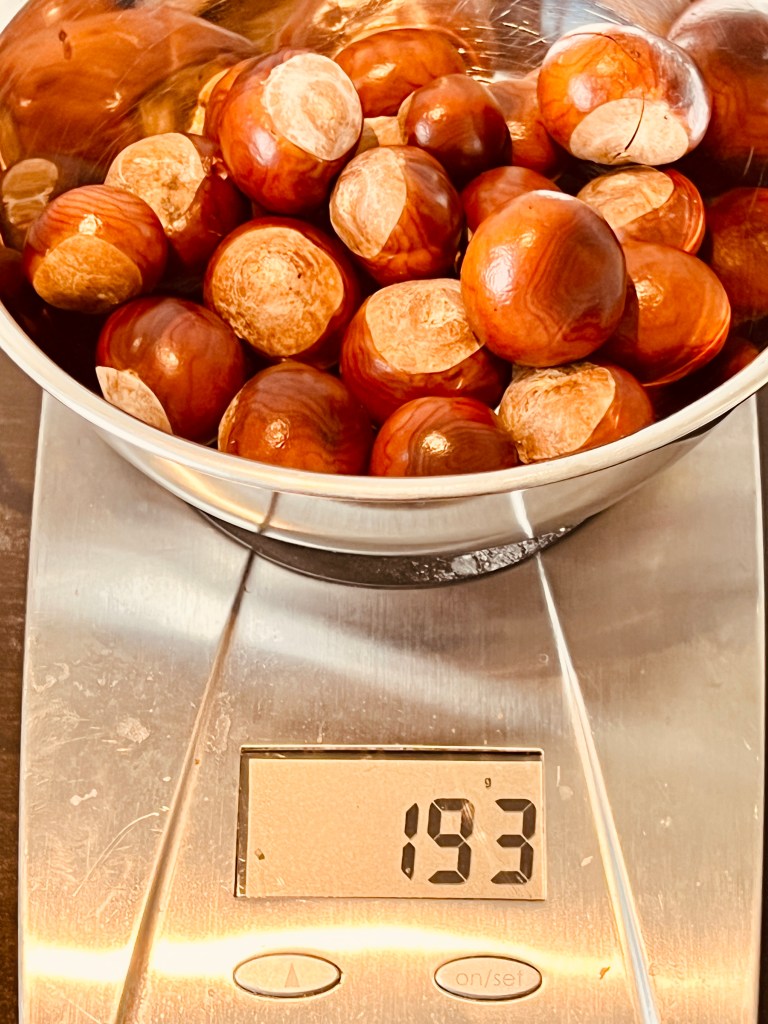
…and so you will look to use standard units of measure. What types of machine around the house can weigh things? When might it be important to weigh exact amounts of items? How can we record the different weights of items around the house?
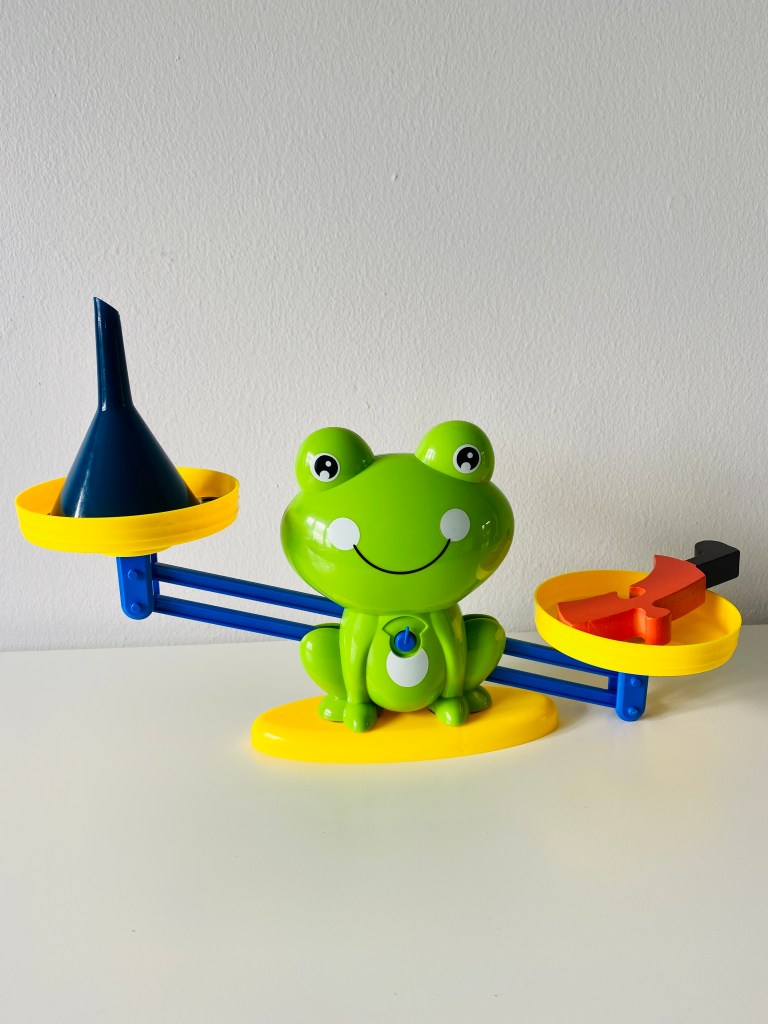
Once you’ve used obvious items (eg the sofa versus the banana) then you can try balancing items – ie how many bananas would weigh the same as a sofa?
Let me know if you’d like a standard template for weighing by contacting me here.




Volume
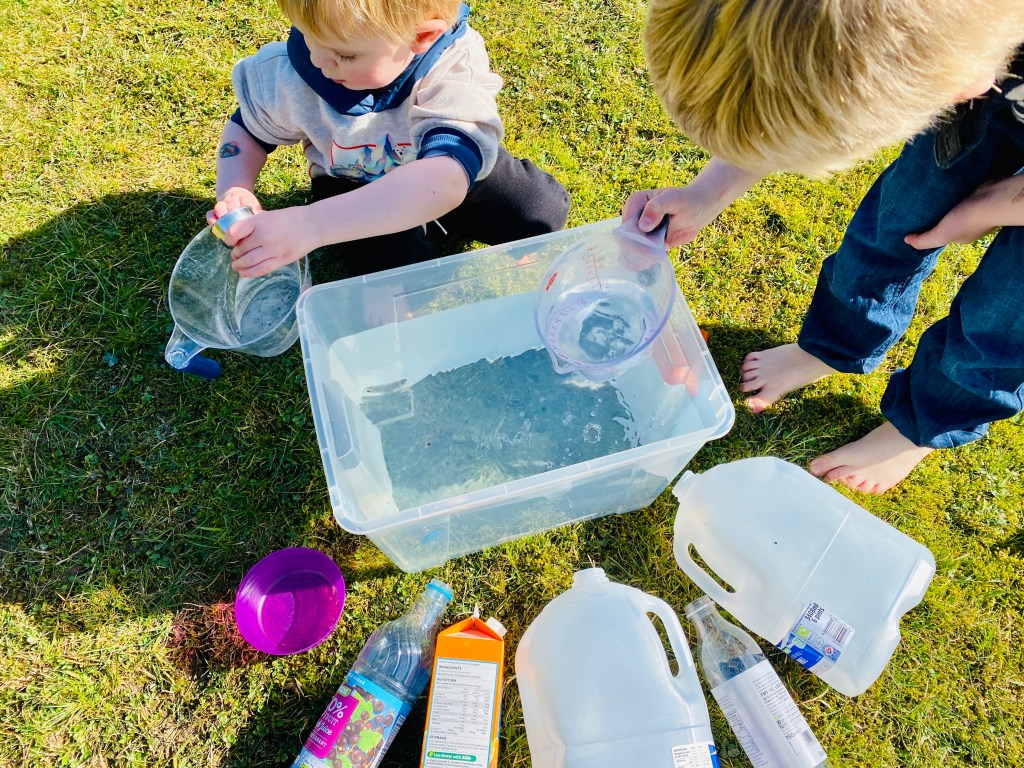
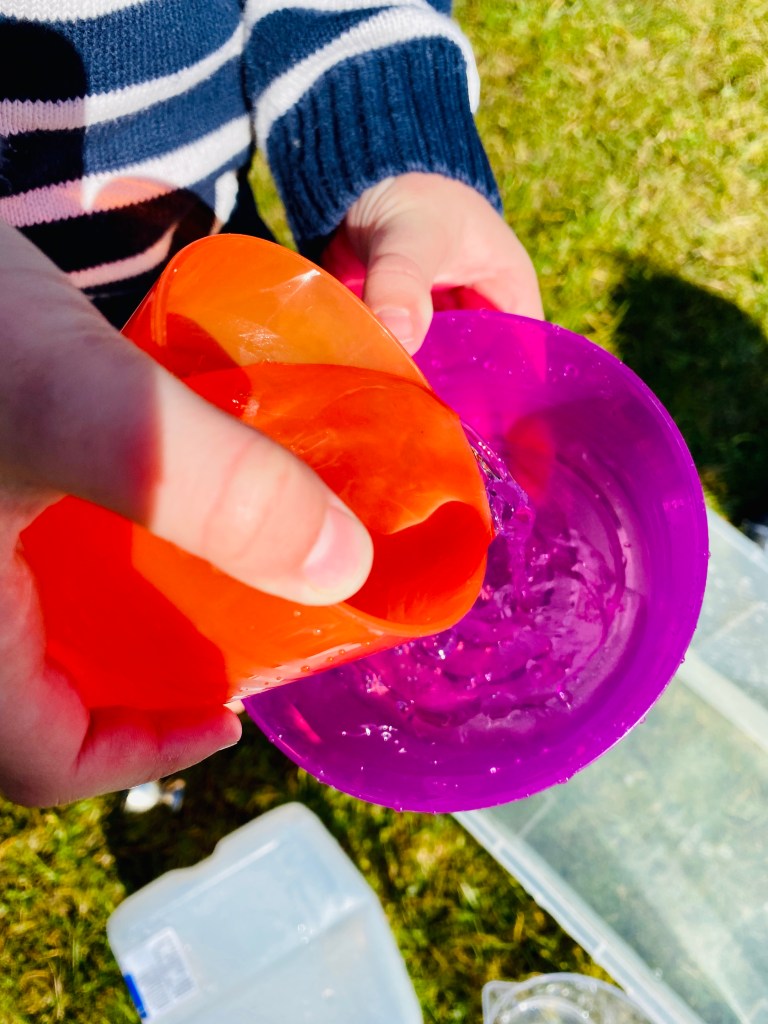
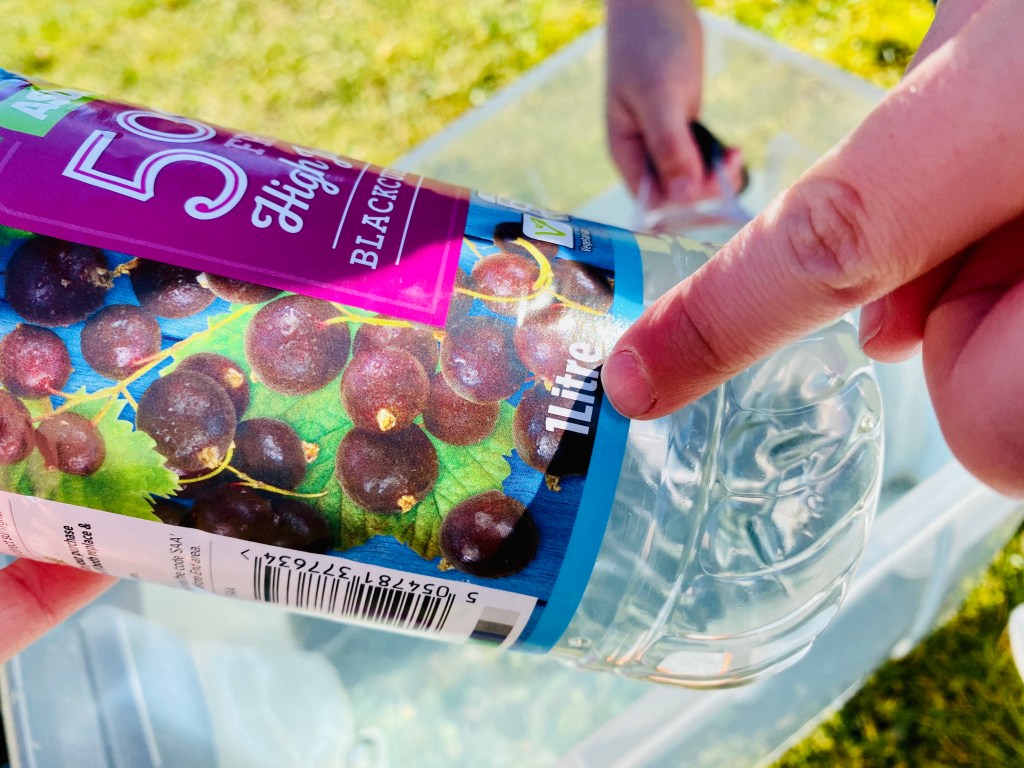
Water play is the very best way to explore this – and young and old kids love water play. In winter this could be inside in the bathtub or even a basin and in warmer weather outside in a mud kitchen, paddling pool or tub all work perfectly in order to let children (and adults!) explore volume.
Volume refers to the amount of liquid contained within a receptacle. And young children are often tempted to think that taller receptacles hold more than shorter ones – despite their width.
So grab as many different sized beakers, bowls, cups, mugs, bottles, jars, balancing cups, shapes and whatever else you can find and allow children to play around with transferring liquid from one receptacle to another. The more obscure the shape, the better.
After an initial play, you could start asking questions like:
- Which one do you think holds the most?
- Which one do you think holds the least?
- Are there any that hold the same amount?
- How did you come to that conclusion?
- How can we test your hypothesis?
Work together with your child(ren) to be led by their scientific mind. Allow them to make mistakes and discuss why they might have made them.
For older children you can also introduce standard units of measure here by discussing how we might measure the exact volume contained within a beaker if we wanted to record it. When might we need to record exact volumes? For example when baking, cooking, adding the correct volume of washing powder, the MET office records rainfall, etc.
Once you’ve checked your hypotheses using standard units of measure, what creative ways can you come up with to record your results? You could:
- Take pictures
- Lay out the receptacles in order of volume
- Draw a diagram labelling greatest volume to smallest volume
- Make a list
- Draw your favourite 3 receptacles and record the volume contained within each



Whatever you do – have fun playing! It doesn’t matter how much children outwardly learn – I guarantee that even simply letting them play with any of the concepts above they will have learned something by the end.
Remember also to revisit activities – if your child enjoyed water play but wasn’t in the mood for questions today, then simply allow them to play and perhaps you can ask questions (or they can ask you!) next time.
Happy learning xx
 weeSTEMs